

This post includes affiliate links, meaning I may earn from qualifying Amazon purchases. Thank you for supporting my work!
Diaper rash is one of those newborn realities no one really prepares you for. You can have the gentlest diapers, the best diaper cream, and still find yourself staring at an angry red rash wondering what you’re doing wrong.
If you’re searching for simple ways to prevent newborn diaper rash or help it heal faster, one small step during diaper changes can make a surprising difference.
Here’s the thing I learned—almost by accident—that helped tremendously during the newborn phase:
Before applying diaper cream, make sure your baby’s skin is completely dry.
It sounds obvious. It isn’t.
And for many parents, this tiny step can make a noticeable difference in preventing diaper rash and helping irritated skin heal.
Why Diaper Cream Sometimes Makes Diaper Rash Worse
Most diaper creams are designed to lock in moisture and create a protective barrier between your baby’s skin and the diaper.
That barrier helps protect against:
- Wet diapers
- Friction
- Irritation
But if your baby’s skin is even slightly damp when you apply the cream, you may actually be sealing that moisture directly against the skin.
Instead of helping, the cream can trap moisture, which may make redness and irritation worse—especially for newborns with very sensitive skin.
That’s why applying diaper cream to fully dry skin is so important.
Why Dry Skin Helps Prevent Newborn Diaper Rash
Moisture is one of the biggest triggers of diaper rash.
Newborns spend most of their time in diapers, and their skin is thinner and more delicate than older babies. When moisture stays trapped against the skin—especially in warm diaper environments—it can quickly lead to irritation.
Allowing the diaper area to dry completely before applying diaper cream helps:
- Prevent moisture from being trapped
- Improve the effectiveness of diaper cream
- Reduce redness and irritation
Sometimes it’s the smallest adjustments to a diaper changing routine that make the biggest difference.
How to Help Prevent Diaper Rash During a Diaper Change
Here’s the simple step that helped us during the newborn stage.
Step 1: Clean the diaper area gently
Use wipes or a damp cloth to clean your baby’s skin during the diaper change.
Step 2: Pat the area completely dry
Use a dry wipe or soft cloth to gently pat the diaper area dry, paying special attention to skin folds and creases.
Many parents like keeping disposable dry wipes on their changing table because they’re gentle and absorb moisture quickly before applying diaper cream.
Step 3: Allow a few seconds of air time
Even a brief moment of air exposure can help ensure the skin is fully dry.
You don’t need long periods of air drying—just a few seconds can help.
Step 4: Apply diaper cream to dry skin
Once the skin is dry, apply diaper cream as usual.
Think of it this way:
Dry skin first, barrier second.
That small habit can help the cream do its job properly.
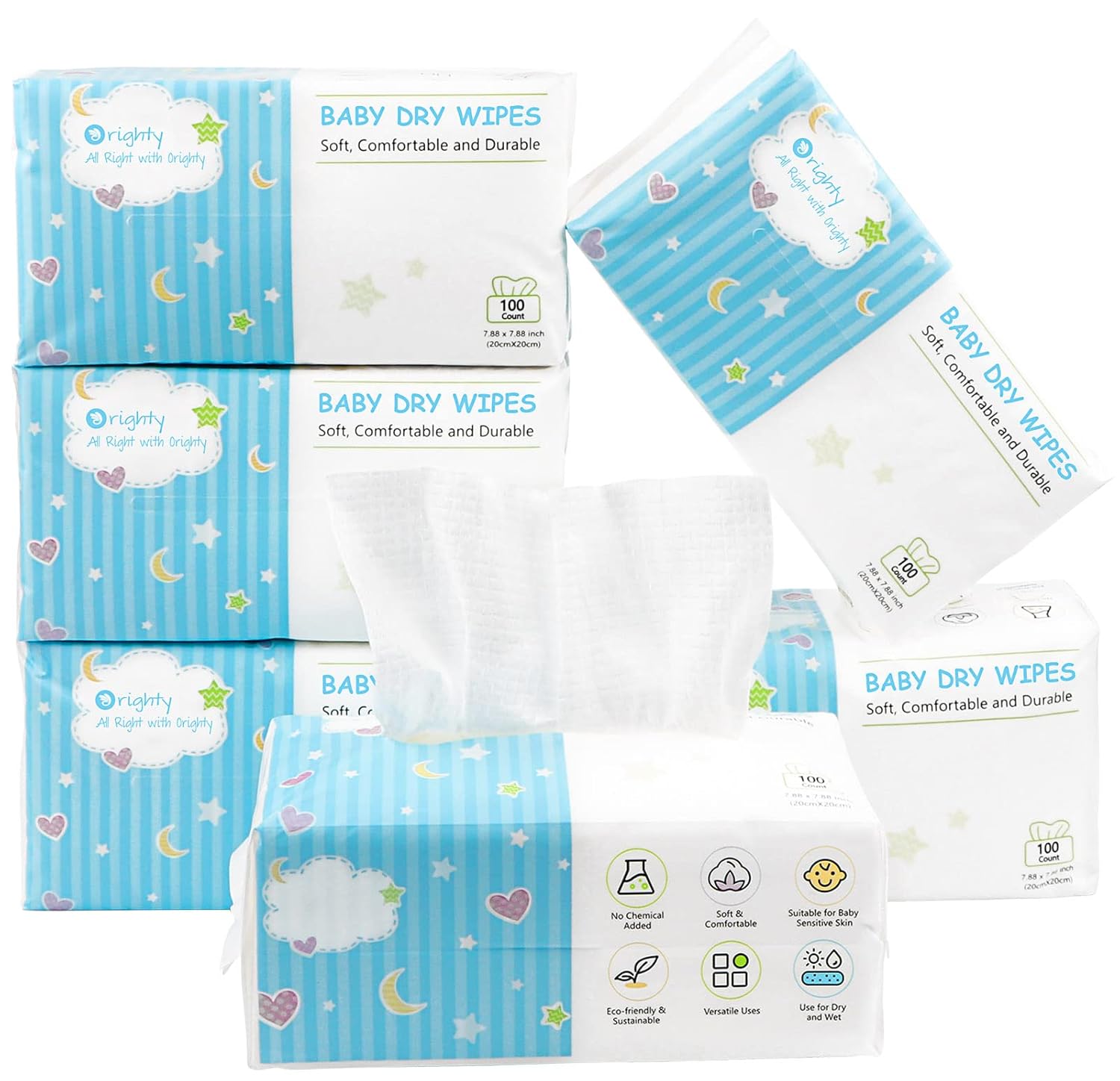
These are my favorite dry wipes, they come in a large quantity and they are soft on gentle skin. They can also be used to wipe noses and hands.
Why This Matters Most in the Newborn Phase
Newborns are especially prone to diaper rash because they:
- Have thinner, more sensitive skin
- Spend most of their time in diapers
- Have frequent diaper changes
- Experience constant moisture exposure
Because diaper cream is often applied at nearly every diaper change, making sure the skin is dry first can help prevent mild irritation from turning into a painful rash.
A Quick (But Important) Disclaimer
This tip is based on personal experience and general diaper-care best practices and is not medical advice.
If your baby’s diaper rash:
- Is severe
- Doesn’t improve after a few days
- Includes open sores, bleeding, or blisters
- Shows signs of infection
- Seems painful or continues worsening
You should contact your pediatrician or healthcare provider for proper evaluation and treatment.
A Small Habit That Can Make a Big Difference
The newborn stage is full of trial and error. Sometimes the most helpful parenting tips are the simple ones no one mentions.
Making sure your baby’s skin is completely dry before applying diaper cream is a small step—but it can make diaper changes more effective and help prevent irritation.
And during those early weeks of constant diaper changes, even the smallest improvement can make parenting feel just a little easier.
FAQs About Newborn Diaper Rash
Should you dry a baby’s skin before applying diaper cream?
Yes. Applying diaper cream to completely dry skin helps the protective barrier work properly and prevents moisture from being trapped against the skin.
How long should you let a baby air dry during a diaper change?
You usually only need 10–20 seconds of air exposure. Even a short pause before applying diaper cream can help ensure the skin is dry.
Can moisture make diaper rash worse?
Yes. Moisture trapped against the skin can irritate delicate newborn skin and slow healing. That’s why keeping the diaper area dry is an important part of diaper rash prevention.
What helps diaper rash heal faster?
Helpful steps include:
- Frequent diaper changes
- Gently cleaning the area
- Making sure skin is completely dry
- Using a barrier diaper cream
If a rash doesn’t improve within a few days, consult your pediatrician.